In today's corporate landscape, simply claiming to be "green" is no longer enough. Clients demand transparency, and consumers are increasingly savvy about greenwashing. For corporate apparel, true sustainability requires a commitment that runs deep—from the fiber's origin to the garment's end-of-life.
On this page
The Material Revolution
Our focus is on materials that minimize environmental impact without compromising the quality and durability our clients expect. This includes:
- Recycled Polyester (rPET): Diverting plastic bottles from landfills and oceans to create high-performance, durable uniform fabrics.
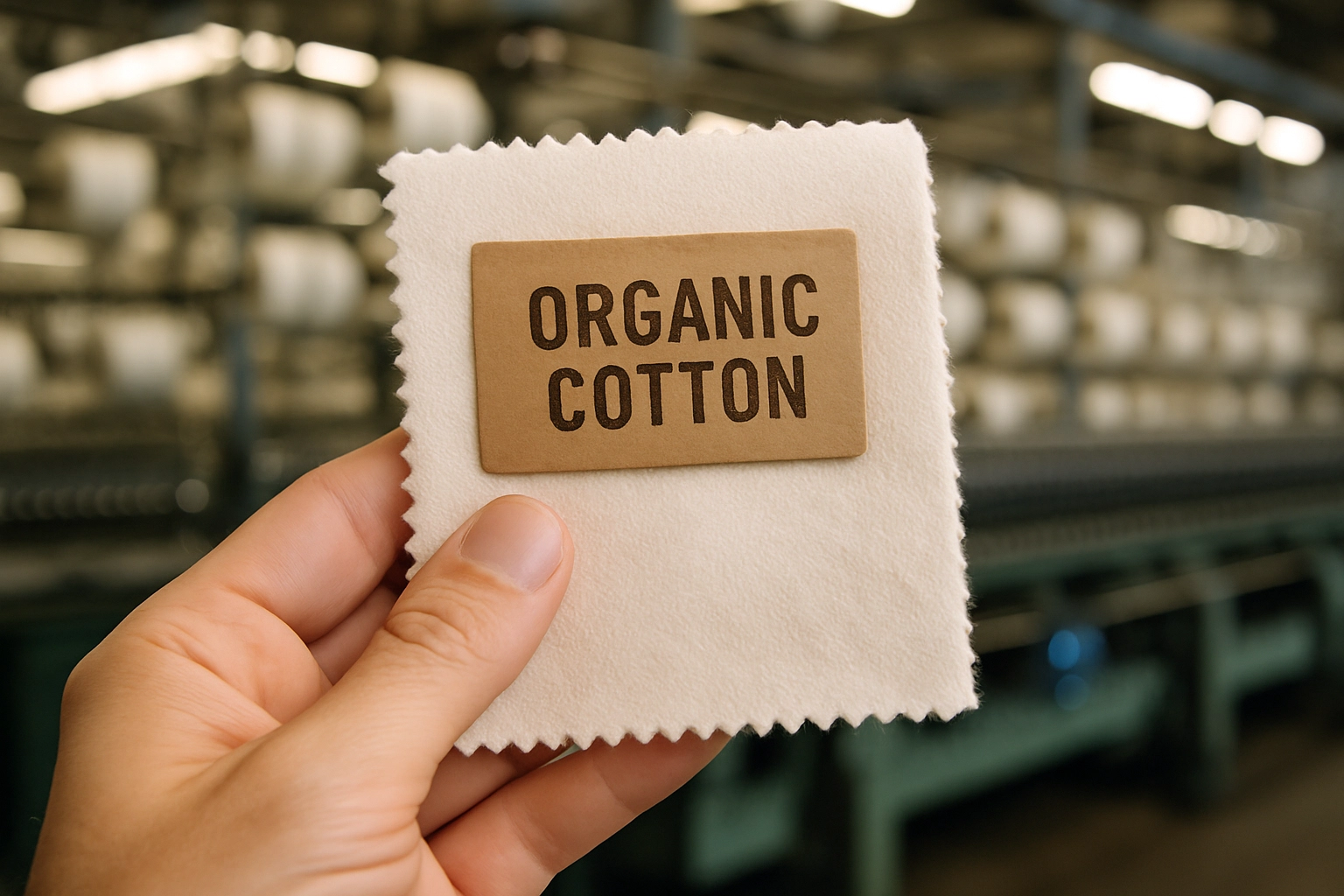
- Organic Cotton: Sourced from farms that avoid toxic pesticides and fertilizers, significantly reducing water pollution.
- Innovative Fibers: Exploring materials like Tencel™ Lyocell, which is produced using a closed-loop system that recycles water and solvents.
Ethical Labor and Supply Chain Transparency
Sustainability is not just environmental; it is social. We maintain a rigorous vetting process for all our manufacturing partners, ensuring they adhere to the highest standards of fair labor practices. This includes:
- Regular Audits: Unannounced third-party inspections to verify working conditions, fair wages, and safe environments.
- Traceability: Implementing systems to track every garment from the raw material stage to the final delivery, ensuring full accountability.
We believe that a uniform should not only look good on your team but also feel good knowing it was made ethically.

Designing for Longevity and Circularity
The most sustainable garment is the one that lasts the longest. Our bespoke approach to corporate uniforms emphasizes durability and timeless design, reducing the need for frequent replacement. Furthermore, we offer a comprehensive Garment Recycling Program where old uniforms are collected and repurposed—helping close the loop on the apparel lifecycle.
Our commitment in numbers
We aim to source 75% of our core uniform materials from certified sustainable sources by the end of 2026.
To learn more about how we can support your corporate social responsibility goals, visit our Sustainability & Ethics page.